“For me, Hobrechtsfelde is a place that shows what is possible when we give nature time and trust. It never fails to move me to see how a heavily overexploited landscape has evolved here into a space full of life and diversity. My hope is that many people will experience this transformation and draw confidence from it for their own relationship with nature and the future.”
Dr. Aija Torkler, Director of the Barnim Nature Park
The Barnim Nature Park, which covers approximately 750 square kilometers, is the only large-scale protected area shared by the states of Brandenburg and Berlin. About 5.4 percent of its area is located in the northern Berlin districts of Pankow and Reinickendorf. The Brandenburg portion of the nature park lies between Bernau, Bad Freienwalde, Eberswalde, Liebenwalde, and Oranienburg. The purpose of designating the nature park is to preserve the shared natural and cultural heritage of the states of Berlin and Brandenburg. Here, exemplary forms of environmentally sustainable land use are to be practiced across state lines in accordance with nature conservation requirements.
At the Barnim Panorama in Wandlitz, the nature park center and agricultural museum are vividly presented under the slogan “More than a museum.” The nature park sees its mission as preserving natural diversity while simultaneously creating a space where people can experience and understand this landscape. As part of the cross-border protected area between Brandenburg and Berlin, Hobrechtsfelde is a living example of how nature conservation, recreation, and landscape development go hand in hand. After the end of Berlin’s sewage-field agriculture in the 1980s, the area was drained within a very short time. This was followed by a gradual ecological transformation.
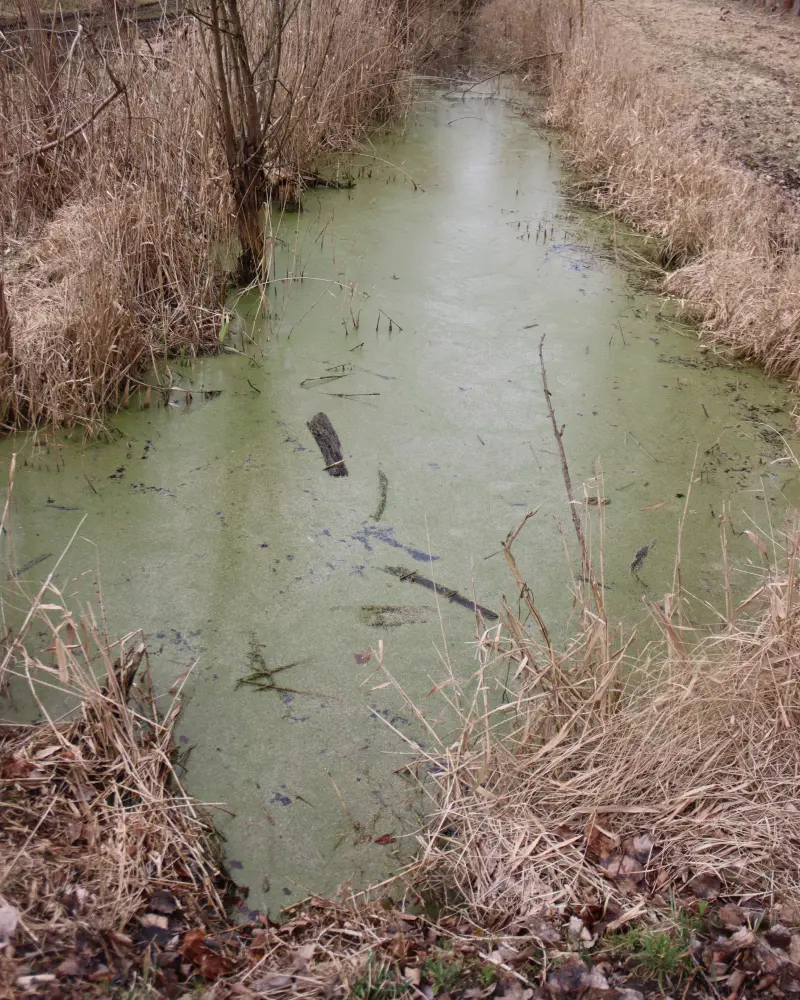
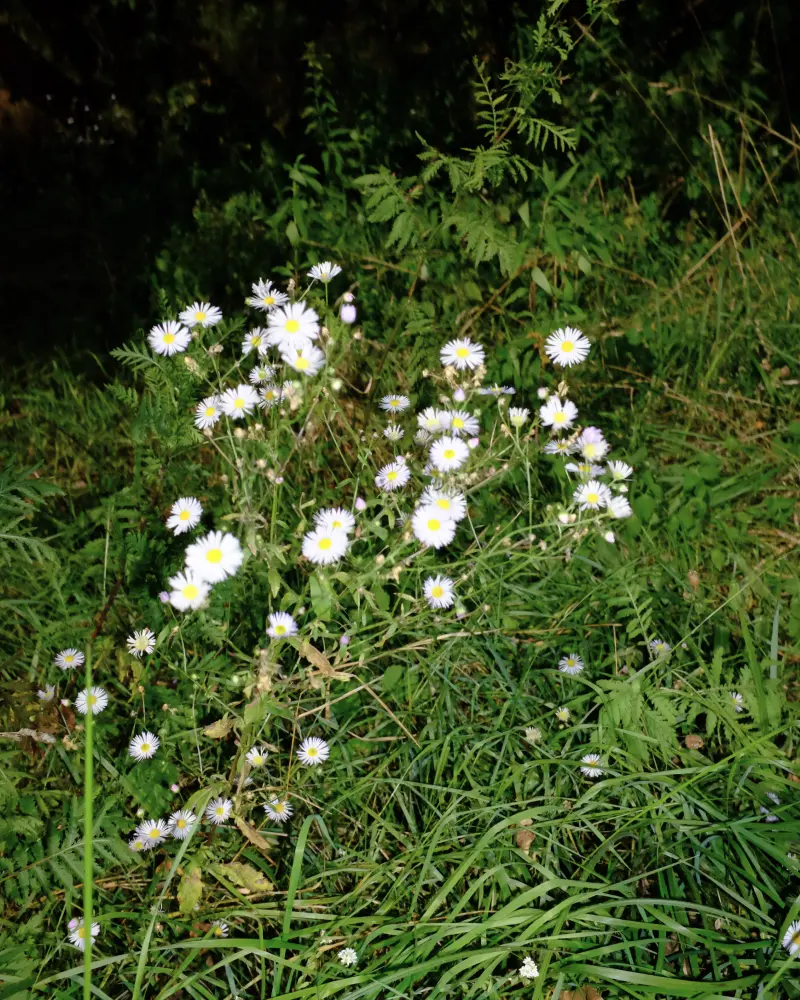
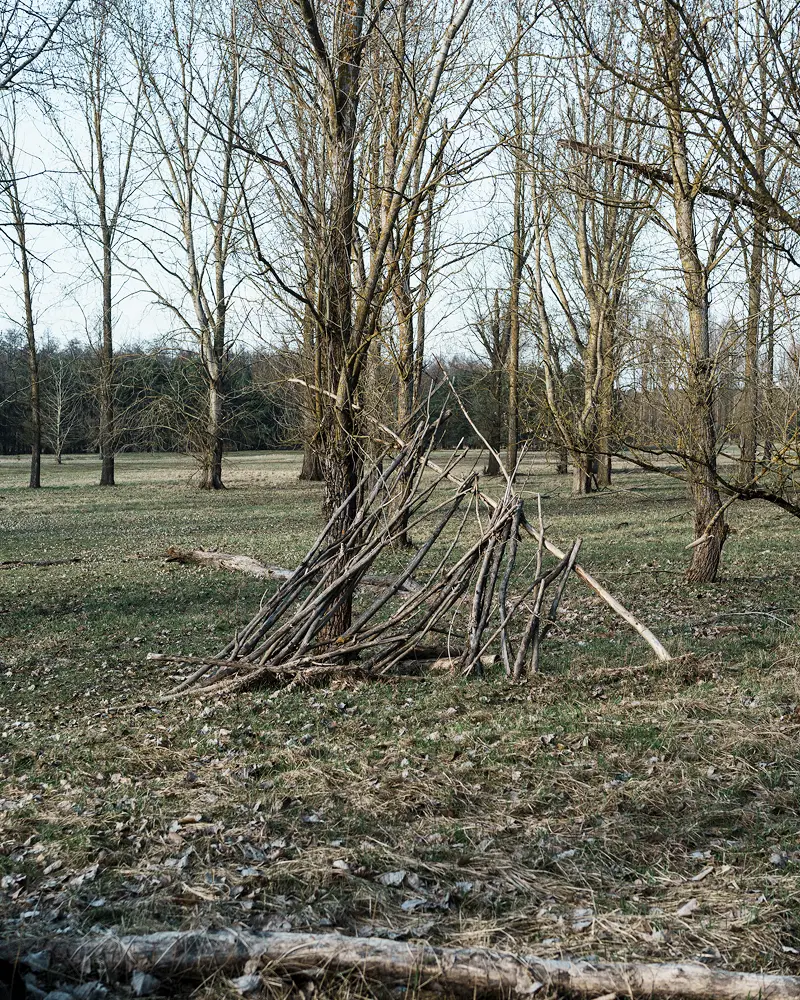
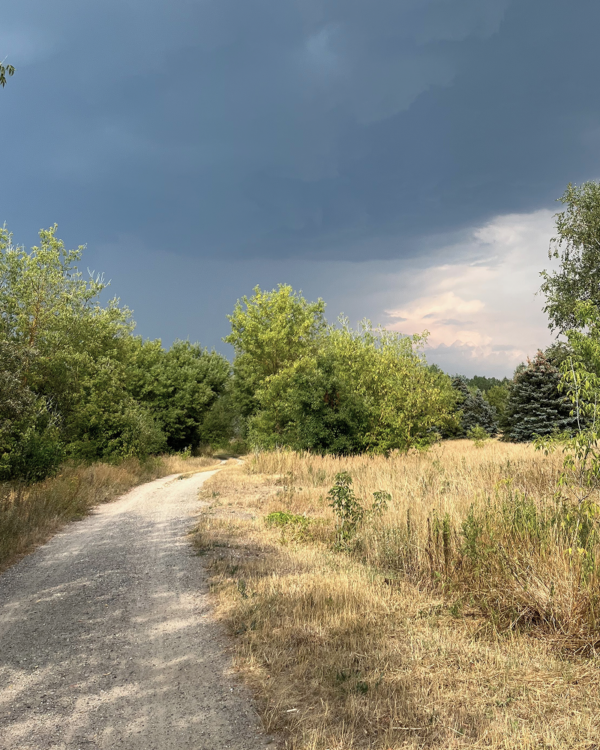
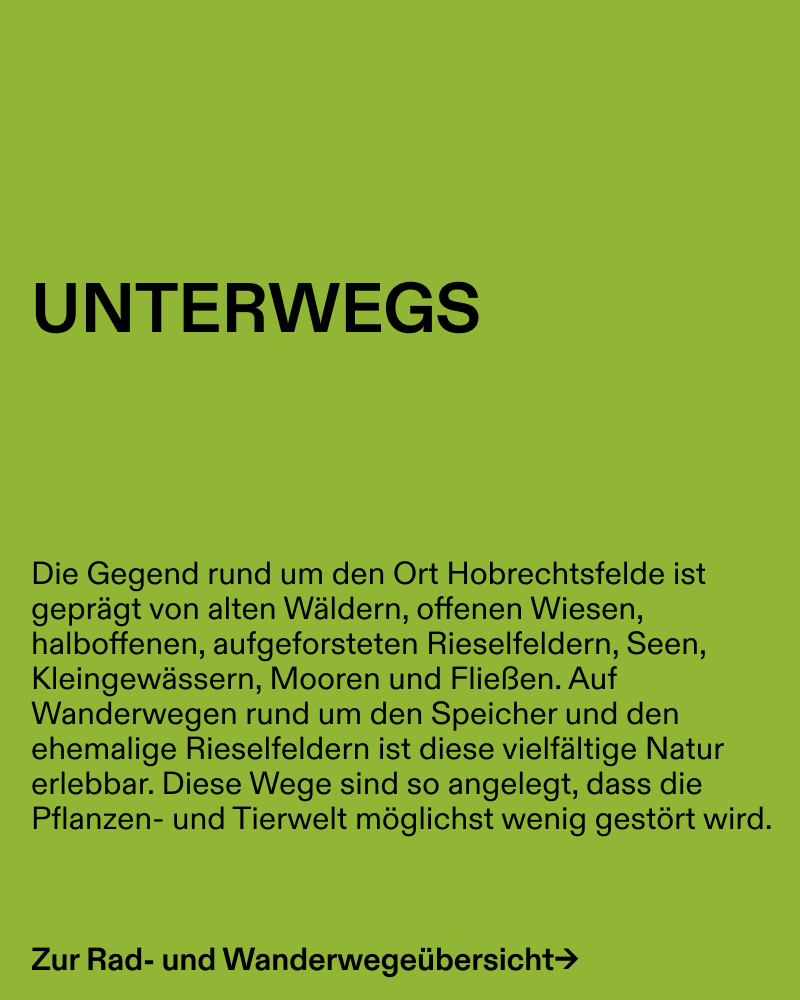
Through reforestation, planting, and the subsequent rewetting of some areas that had become dry, a diverse landscape has emerged, featuring meadows, wetlands, hedgerows, tall forests, and open and semi-open areas. Soil conditions and the water cycle determine the vegetation, ranging from dry sandy soils with sparse pine-oak forests to moist depressions with species-rich meadows. Today, hardy grazing animals such as Konik horses, Scottish Highland cattle, Galloways, and water buffalo shape parts of the open and semi-open landscape; through their grazing in Germany’s largest forest-pasture project, they contribute to its preservation and complement the natural dynamics.
Thus, the former sewage fields have evolved into a space where wooded pastures, open horizons, and a rare biodiversity form a new balance. Here, on the outskirts of the city yet far from its noise, nature reveals itself as a patient teacher: it heals, transforms, and renews when given the space to do so. This quiet expanse serves as a reminder that the future is no accident. It emerges where people accompany change rather than accelerate it. This place, with its unique natural environment, is a living example of this: a place that shows how closely our own future is intertwined with the well-being of this landscape.
“For me, Hobrechtsfelde is a place that shows what is possible when we give nature time and trust. It never fails to move me to see how a heavily overexploited landscape has evolved here into a space full of life and diversity. My hope is that many people will experience this transformation and draw confidence from it for their own relationship with nature and the future.”
Dr. Aija Torkler, Director of the Barnim Nature Park
The Barnim Nature Park, which covers approximately 750 square kilometers, is the only large-scale protected area shared by the states of Brandenburg and Berlin. About 5.4 percent of its area is located in the northern Berlin districts of Pankow and Reinickendorf. The Brandenburg portion of the nature park lies between Bernau, Bad Freienwalde, Eberswalde, Liebenwalde, and Oranienburg. The purpose of designating the nature park is to preserve the shared natural and cultural heritage of the states of Berlin and Brandenburg. Here, exemplary forms of environmentally sustainable land use are to be practiced across state lines in accordance with nature conservation requirements.
At the Barnim Panorama in Wandlitz, the nature park center and agricultural museum are vividly presented under the slogan “More than a museum.” The nature park sees its mission as preserving natural diversity while simultaneously creating a space where people can experience and understand this landscape. As part of the cross-border protected area between Brandenburg and Berlin, Hobrechtsfelde is a living example of how nature conservation, recreation, and landscape development go hand in hand. After the end of Berlin’s sewage-field agriculture in the 1980s, the area was drained within a very short time. This was followed by a gradual ecological transformation.
Through reforestation, planting, and the subsequent rewetting of some areas that had become dry, a diverse landscape has emerged, featuring meadows, wetlands, hedgerows, tall forests, and open and semi-open areas. Soil conditions and the water cycle determine the vegetation, ranging from dry sandy soils with sparse pine-oak forests to moist depressions with species-rich meadows. Today, hardy grazing animals such as Konik horses, Scottish Highland cattle, Galloways, and water buffalo shape parts of the open and semi-open landscape; through their grazing in Germany’s largest forest-pasture project, they contribute to its preservation and complement the natural dynamics.
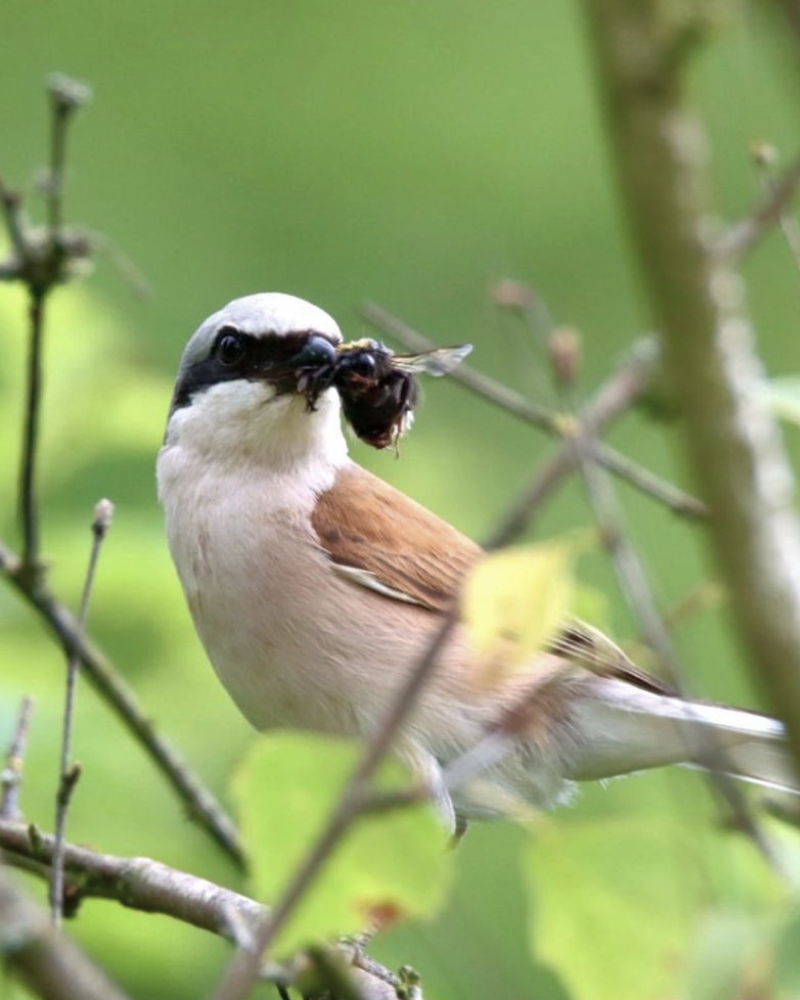
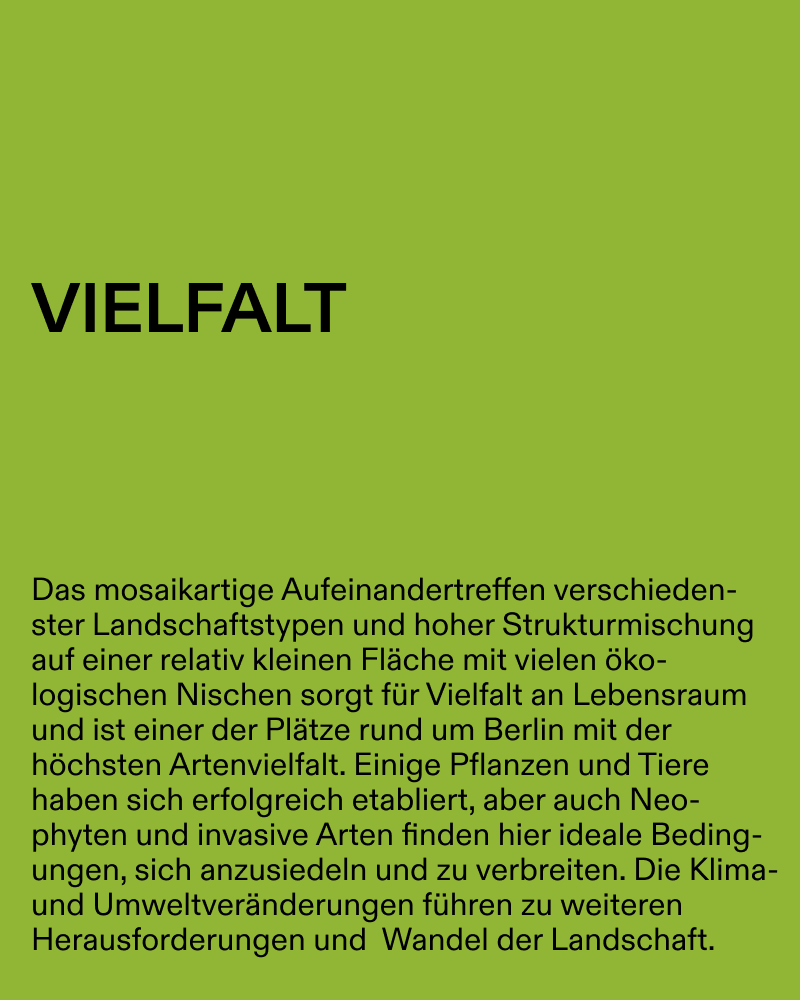
Thus, the former sewage fields have evolved into a space where wooded pastures, open horizons, and a rare biodiversity form a new balance. Here, on the outskirts of the city yet far from its noise, nature reveals itself as a patient teacher: it heals, transforms, and renews when given the space to do so. This quiet expanse serves as a reminder that the future is no accident. It emerges where people accompany change rather than accelerate it. This place, with its unique natural environment, is a living example of this: a place that shows how closely our own future is intertwined with the well-being of this landscape.
Get in touch
More information
Accessibility
Kontaktiere uns
Weitere Informationen
Barrierefreiheit
Interner Bereich