“Unlike in the past, the focus is now on sustainability, which is to serve as a key criterion for the development of the biosphere region. Ultimately, it is the municipalities that will determine, with sustainability in mind, the development ideas and projects in Brandenburg and Berlin that will shape such a UNESCO region.”
Dr. Peter Gärtner, former director of the Barnim Nature Park
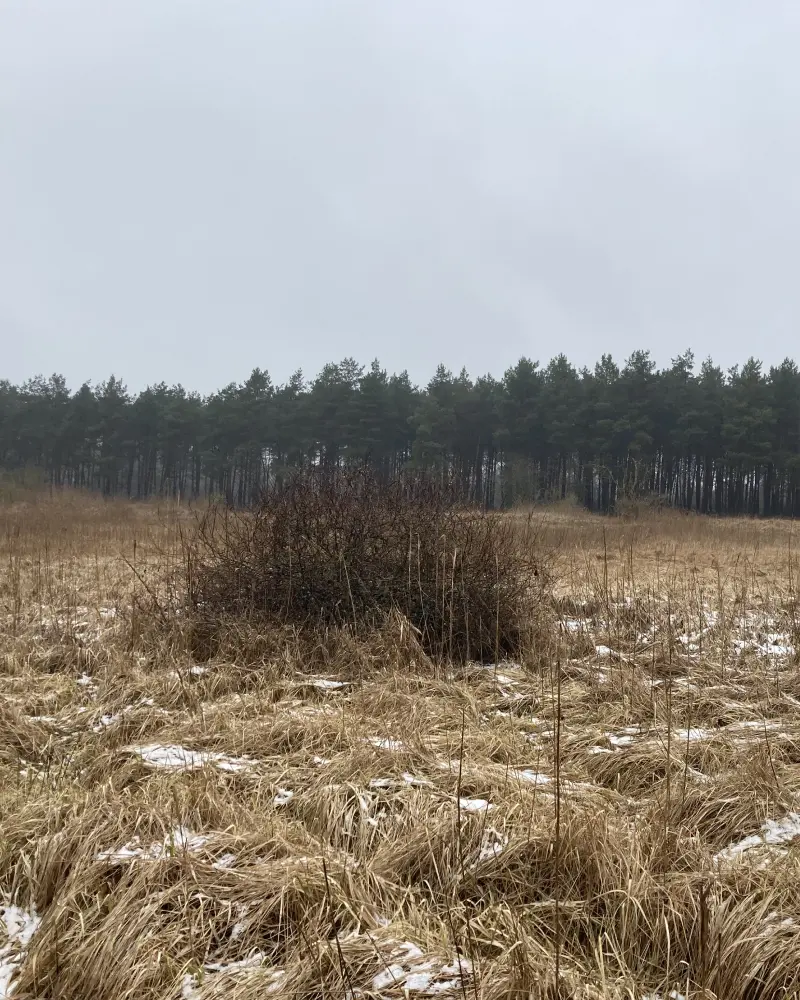
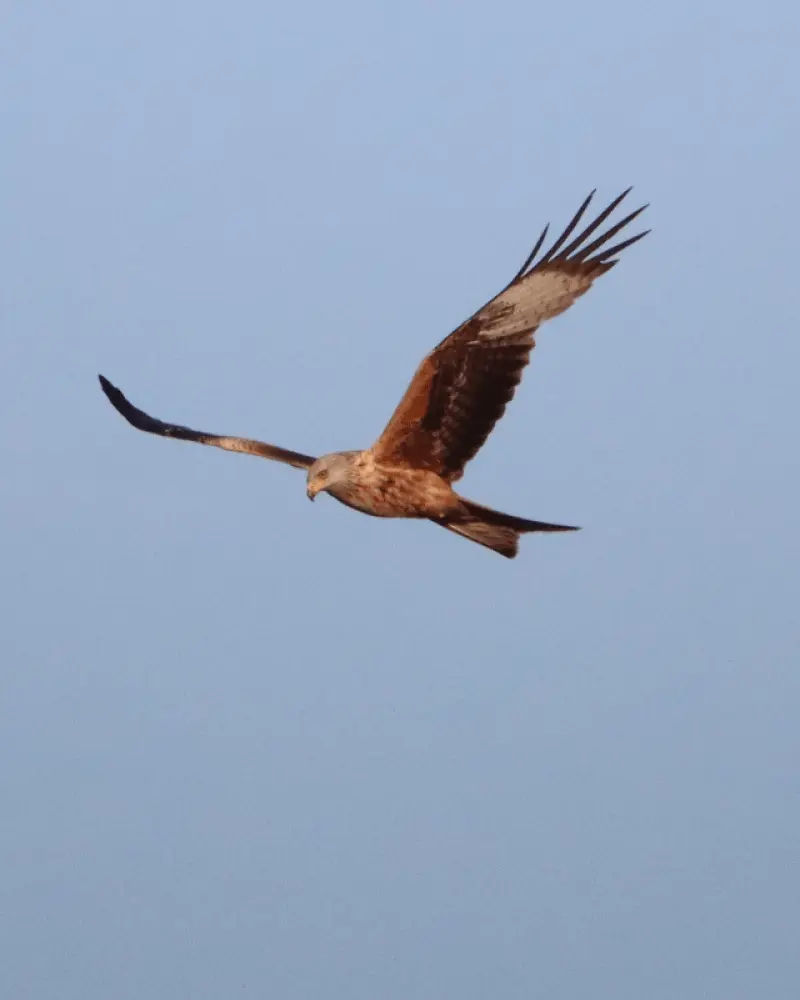
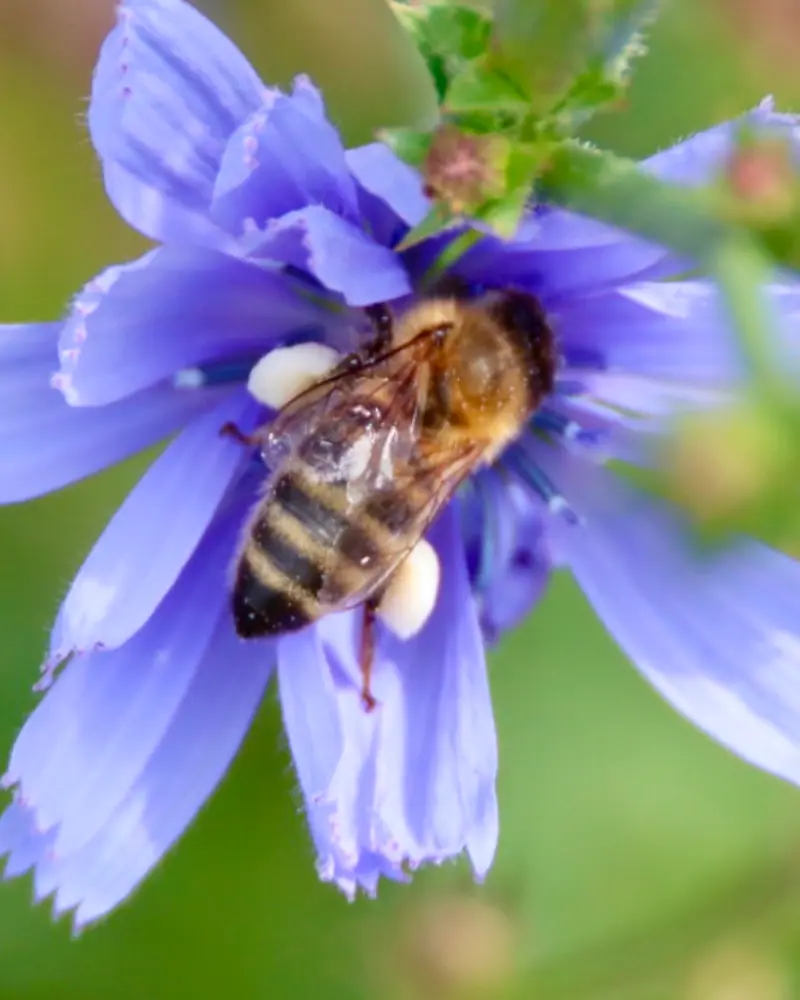
Biosphere reserves are model regions for sustainable development and model regions for sustainable education and research. Their purpose is to ensure the long-term coexistence of humans and nature. The goal is to conserve natural resources, prevent environmental pollution, and raise awareness of environmentally responsible behavior in line with the Sustainable Development Goals. This is the conclusion reached in the 2021 preliminary study by the Senate Department for the Environment, Transportation, and Climate Protection on the development of an urban biosphere region in Berlin-Barnim.
What is planned, and what impacts, benefits, or consequences are expected? The selected study area covers approximately 214,800 hectares. Fifteen percent of this area lies within the urban area of northern Berlin between Reinickendorf, Pankow, Lichtenberg, and Marzahn/Hellersdorf, while 85 percent is located in the Brandenburg districts of Oberhavel, Barnim, and Märkisch Oderland. Forty criteria were examined that are ultimately necessary for recognition under the UNESCO “Man and the Biosphere” program. The study concludes that the area fundamentally has the potential to be internationally recognized as a UNESCO biosphere reserve.
It is of crucial importance that UNESCO biosphere regions not be perceived as an additional restriction on the population. Rather, the aim is to create new opportunities for both nature and the population. The more conventional or restrictive management of existing biosphere reserves in other regions should not act as a deterrent; instead, an innovation-friendly approach should be systematically pursued and ensured in the development of the new biosphere region.
“Unlike in the past, the focus is now on sustainability, which is to serve as a key criterion for the development of the biosphere region. Ultimately, it is the municipalities that will determine, with sustainability in mind, the development ideas and projects in Brandenburg and Berlin that will shape such a UNESCO region.”
Dr. Peter Gärtner, former director of the Barnim Nature Park
Biosphere reserves are model regions for sustainable development and model regions for sustainable education and research. Their purpose is to ensure the long-term coexistence of humans and nature. The goal is to conserve natural resources, prevent environmental pollution, and raise awareness of environmentally responsible behavior in line with the Sustainable Development Goals. This is the conclusion reached in the 2021 preliminary study by the Senate Department for the Environment, Transportation, and Climate Protection on the development of an urban biosphere region in Berlin-Barnim.
What is planned, and what impacts, benefits, or consequences are expected? The selected study area covers approximately 214,800 hectares. Fifteen percent of this area lies within the urban area of northern Berlin between Reinickendorf, Pankow, Lichtenberg, and Marzahn/Hellersdorf, while 85 percent is located in the Brandenburg districts of Oberhavel, Barnim, and Märkisch Oderland. Forty criteria were examined that are ultimately necessary for recognition under the UNESCO “Man and the Biosphere” program. The study concludes that the area fundamentally has the potential to be internationally recognized as a UNESCO biosphere reserve.
It is of crucial importance that UNESCO biosphere regions not be perceived as an additional restriction on the population. Rather, the aim is to create new opportunities for both nature and the population. The more conventional or restrictive management of existing biosphere reserves in other regions should not act as a deterrent; instead, an innovation-friendly approach should be systematically pursued and ensured in the development of the new biosphere region.
Get in touch
More information
Accessibility
Kontaktiere uns
Weitere Informationen
Barrierefreiheit
Interner Bereich